
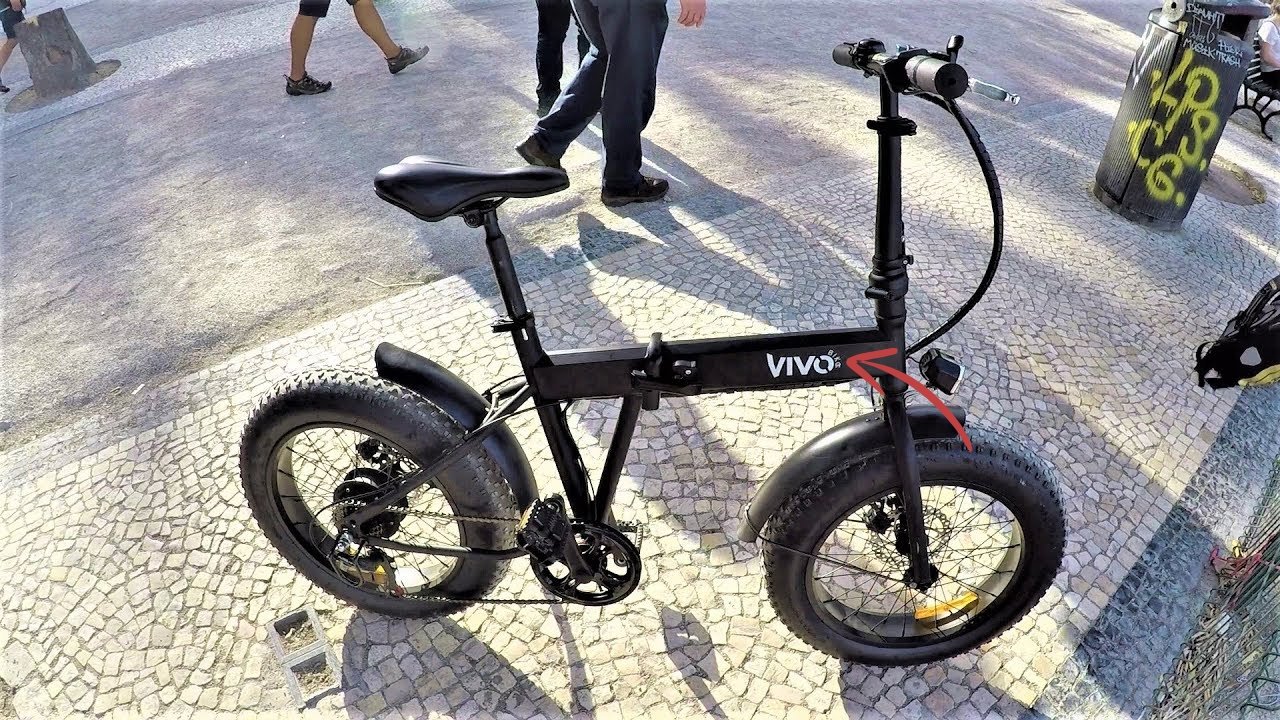
Vivo Electric Cycle : Vivo, the Chinese smartphone powerhouse dominating India’s budget 5G market, surprised everyone by launching its first electric cycle in September 2025, blending smart tech with affordable green commuting at a booking price of just ₹999.
Promising 100-150km range, 25-40km/h speeds, and features like app connectivity and GPS tracking, it targets students, delivery riders, and urban commuters ditching petrol bikes amid rising fuel costs.
Priced effectively around ₹11,000-₹25,000 post-EMI, Vivo eyes the booming e-cycle segment where Hero Vida and Okinawa lead, offering 8-year battery warranties to build trust.
This move marks Vivo’s diversification beyond phones, tapping India’s EV push with subsidies and infra growth—perfect timing as two-wheelers guzzle ₹100/litre petrol.
Launch Details and Booking Buzz
Vivo unveiled the electric cycle via retail teasers and online stores, opening bookings at Vivo outlets and Flipkart with ₹99-₹999 down payments.
Full pricing varies by battery (standard/premium), but base models hit ₹11,000, premium at ₹25,000 with EMI from ₹499/month.
Government subsidies in states like Delhi shave ₹5,000-10,000 for first buyers. Deliveries started October, with Urban Grey stock flying off shelves.
Hands-on clips show LED dashboards tracking speed/battery, Bluetooth pairing for theft alerts—smartphone habits meet pedaling.
Powertrain and Real-World Range
A 250-500W hub motor with pedal-assist delivers 25-40km/h tops, hitting 100-150km per charge in Eco mode (real-world 80-120km mixed). Fast charging (1-4 hours to full) via home sockets keeps it practical—no dedicated stations needed.
Three modes—Eco, Normal, Power—adapt to flats or mild hills; regen braking recaptures 10-15% energy downhill.
Riders report: Mumbai traffic zips silently, saving ₹3,000-4,000 yearly vs. 50kmpl bikes. Rural paths grip via anti-slip tires.
Design for Daily Durability
Lightweight alloy frame (18-22kg) with shock suspension and dual disc brakes handles potholes smooth. Head/tail LEDs boost night visibility; wide tires conquer gravel or wet roads.
App integration unlocks via phone, GPS pings location, USB ports juice devices. Foldable? Some variants yes for hostels.
Owners praise: No oil changes, minimal maintenance—₹0.10/km running vs. ₹2/km bikes.
Smart Features Stealing the Show
Bluetooth dashboard shows speed, range, calories; anti-theft locks remotely. Pedal-assist eases climbs for elders/students.
Digital lock, USB charging, and modes via app personalize rides. IP65-ish rating shrugs rain.
User win: Delivery pros track packages mid-ride; fitness fans log workouts.
Pricing and Variant Breakdown
Model | Range | Top Speed | Price (EMI opt) |
Base | 100km | 25km/h | ₹11,000 (₹499/mo) |
Premium | 150km | 40km/h | ₹25,000 (₹999/mo) |
Pro (foldable) | 120km | 30km/h | ₹18,000 |
Subsidies drop base to ₹6,000 effective. Flipkart bundles helmets/free delivery.
Rivals in the E-Cycle Race
Cycle | Price | Range | Key Edge |
Vivo | ₹11k-25k | 100-150km | App/GPS, warranty |
Hero Vida VX2 | ₹99k+ (scooter) | 143km | Speed (85km/h) |
Okinawa Praise | ₹45k | 80km | Local service |
EMVN/TVS Tease | ₹20k+ | 100km | Brand trust |
Vivo undercuts on smarts.
Why Commuters Are Switching Vivo Electric Cycle
Fuel at ₹100/litre pinches; e-cycles slash costs 90%, zero emissions aid green goals. Students pedal to college emission-free; gig workers cover 100km shifts.
Challenges: Charging spots sparse rural, but home plugs suffice. 6-8 year warranty covers degradation. Forum buzz: “Saved ₹4k in 3 months vs. Activa,” says a Delhi rider. Families eye kid-safe modes.
Tata Nexon EV launched with 5 Star Safety Rating with 650 KM Range – Check the price
Vivo bridges phones to pedals, making e-mobility everyday—affordable, app-savvy, adventure-ready for India’s roads.